
Power of Attorney for Property: Meaning, Types, Uses & Risks
Learn what a Power of Attorney for property means, its types, uses, registration rules, NRI property use, risks and key documents buyers should check.
Explore GuideLearn about property legal documents, registration, RERA, title verification, agreements, NOCs, mutation and essential checks for buying property in India.

Learn what a Power of Attorney for property means, its types, uses, registration rules, NRI property use, risks and key documents buyers should check.
Explore GuideUnderstand joint property ownership in India, co-owner rights, sale and transfer rules, inheritance, partition, important documents and common mistakes.
Explore GuideLearn how to transfer property ownership from one person to another through sale, gift, inheritance or partition, with documents, charges and registration steps.
Explore GuideLearn what a Builder-Buyer Agreement means, important clauses to check, RERA rules, possession, payment, cancellation and buyer rights.
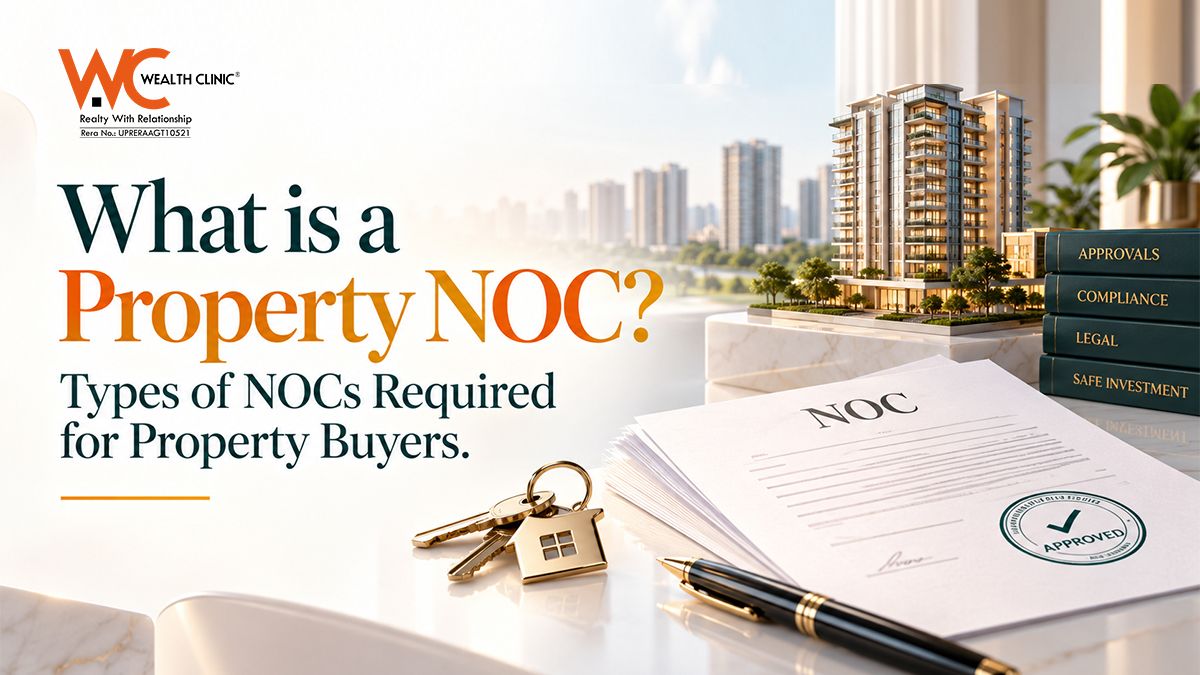
Explore GuideLearn what a Property NOC is, when it is required, common types of NOCs, documents needed, how to obtain them and why buyers should check them.
Explore GuideLearn how to verify property ownership before buying a house or plot. Check title deeds, land records, EC, mutation, court cases and more.
Explore GuideLearn what property mutation is, why it matters, documents required, online process, charges and the difference between mutation and registration.
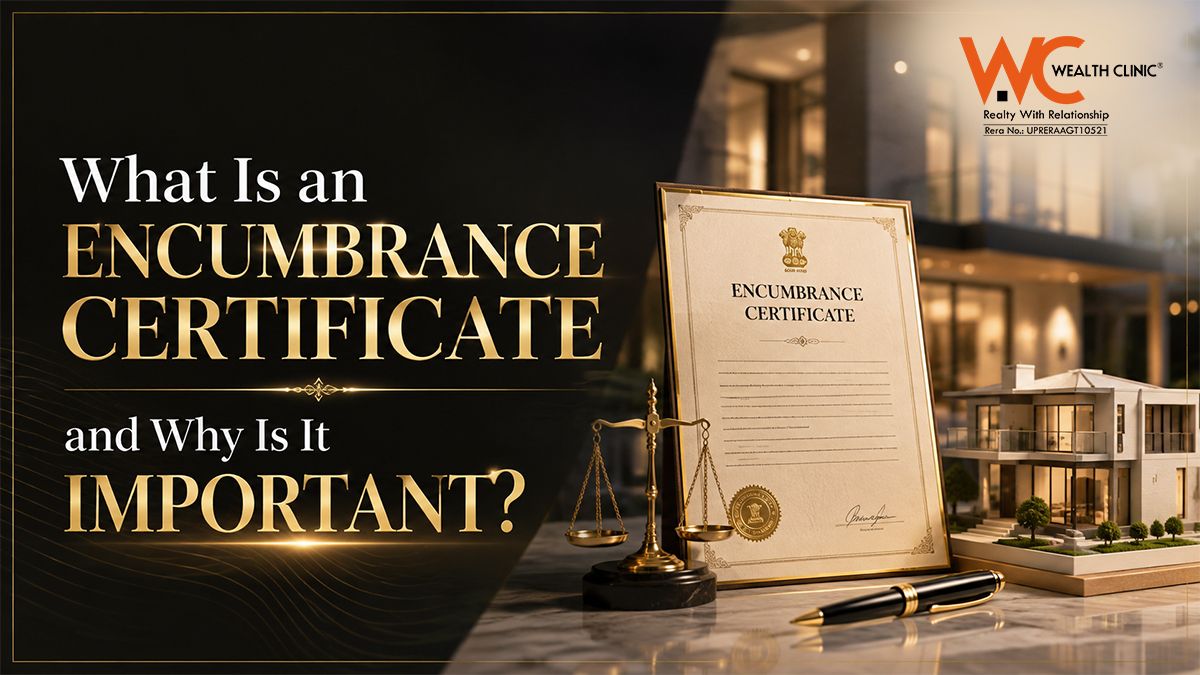
Explore GuideLearn what an Encumbrance Certificate (EC) is, why it matters, documents required, online process, Form 15 & 16, and how to check EC.
Explore GuideLearn what property registration is, its step-by-step process, required documents, stamp duty and registration charges in India.
Explore GuideCalculate stamp duty and registration charges on property in India. Learn the calculation, factors, UP rates, examples and how to check applicable charges.
Explore GuideCheck the essential property documents before buying a flat, house or plot in India, including title deed, RERA, EC, approvals, tax records and NOCs.
Explore GuideRERA (Real Estate Regulatory Authority) is a regulatory body that requires developers to register projects and disclose details such as approvals, timelines and project specifications, aimed at improving transparency and accountability for buyers.
Commonly checked documents include the title deed, RERA registration certificate, approved building plan, occupancy/completion certificate, encumbrance certificate and property tax receipts. A lawyer can help verify these are in order.
A title deed is a legal document that establishes ownership of a property. Verifying a clear and marketable title is an essential step before any purchase.
Property registration typically involves executing a sale deed, paying the applicable stamp duty and registration fees, and registering the document with the local sub-registrar's office to legally record the transfer of ownership.
An encumbrance certificate confirms whether a property is free from any legal or monetary liabilities, such as an existing mortgage or loan, for a specified period.
Yes, it's advisable to have a qualified lawyer review the title, approvals and sale documents before completing a property transaction, especially for larger investments.
Wealth Clinic's Legal & Documentation Guides cover property registration, RERA, title deeds and other documentation essentials every buyer should know.
Disclaimer
Wealth Clinic is a real estate consulting and marketing company offering property advisory services to homebuyers and investors. Project details, pricing, layouts, specifications, and availability are provided by respective developers or publicly available sources and may change without notice. Wealth Clinic does not own or develop the listed projects and acts solely as a consulting partner. All bookings and agreements are between the buyer and the respective developer. Buyers are advised to verify project details, RERA registration, pricing, approvals, and legal documents with the developer before making any purchase or investment decision.